
The grassroots energy transition hiding in plain sight
by Dan Roscoe, CEO of Roswall
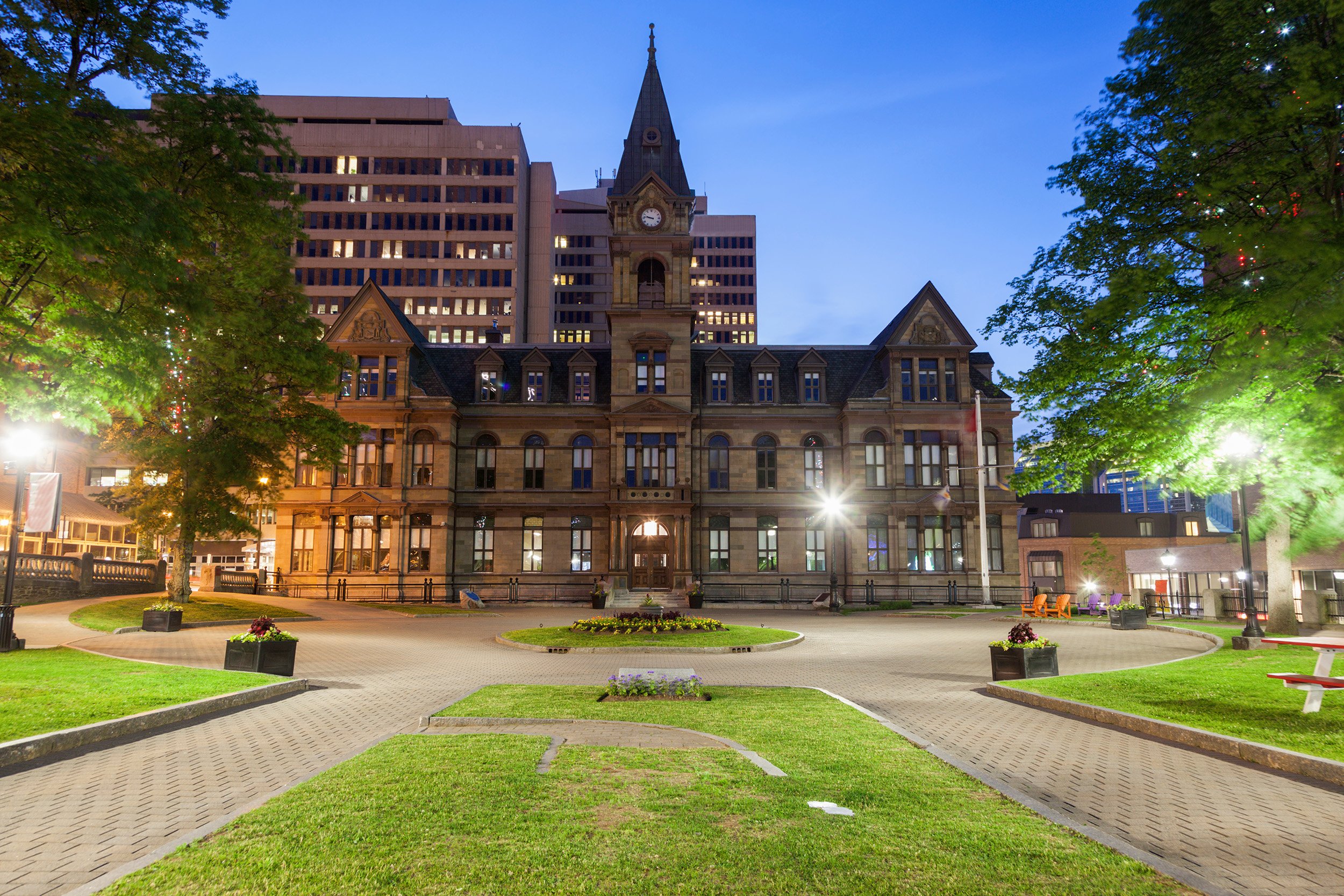
Across city halls, public buildings, and local procurement decisions, clean energy is becoming part of how communities plan for the future.
Most people picture the energy transition as something driven by federal targets, global summits, and billion-dollar infrastructure announcements. That's certainly part of it. The transition will need national policy, large-scale investment, and major infrastructure. But some of the most meaningful progress is happening much closer to the ground.
City halls. Town councils. Public buildings. Community energy plans. Municipal power agreements. These are just some of the quiet procurement decisions that rarely make national headlines, but create lasting impact.
Across the world, local governments are turning clean energy from an ambition into an operating decision, and more and more, they are doing it because they have practical problems to solve. Emissions. Affordability. Budget predictability. Energy security. Public trust.
National climate policy may get the attention, but municipal decisions are where the work becomes visible and relevant.
Local governments operate arenas, libraries, water systems, civic buildings, transit, parks, public housing, and community infrastructure. They are major energy users. That gives them a direct reason to care about the cost, reliability, and emissions profile of the energy they consume.
It also puts municipal leaders under pressure from two directions. They are expected to meet climate commitments, while protecting public budgets and maintaining essential services. That's how clean energy becomes a governance issue and then becomes part of how communities plan, procure, finance, and operate. Sometimes the energy transition arrives without fanfare as a council decision or a better way to power public buildings.
C40, the global network of major city mayors working together on climate action, makes the broader point clearly. Cities can accelerate renewable adoption through municipal energy procurement, public assets, local policy, and partnerships. C40 also notes that local renewable energy can reduce exposure to fossil fuel price volatility, improve long-term budget predictability, and strengthen energy security.
Local governments are close enough to the problem to feel it, and close enough to the community to act on it.
Melbourne offers one example. Through the Melbourne Renewable Energy Project, the city helped create a collective purchasing model that now powers municipal operations with 100% renewable electricity.
Curitiba, Brazil, shows a different version of the same pattern. The city’s Solar Pyramid project transformed a former landfill into a solar plant, creating new renewable capacity and generating annual savings by replacing electricity that would otherwise be purchased from the grid.
Johannesburg took yet another approach, using green bonds to finance climate projects across energy, water, waste, and transportation, including solar water heaters, building smart meters, and low-carbon transport. Warsaw has used retrofits and district heating modernization to connect climate action with housing, affordability, and public health.
Not every city is using the same tool. Instead, cities are finding the version of clean energy leadership that fits their local reality.
In Nova Scotia, HRM shows how this shift is taking shape.
Halifax signed an agreement with Renewall Energy through their Renewable to Retail licence. HRM says this clean electricity supply will reduce the municipality’s carbon dioxide emissions by 24%. The municipality also connects the agreement directly to HalifACT and its target of net-zero municipal operations by 2030.
Just as importantly, HRM describes the agreement as a financial decision. Renewall’s competitive rates will rise by no more than 1% per year for 20 years, helping reduce and stabilize municipal operating costs.
It's more than an environmental decision, it's tied to emissions reduction, local renewable supply, and long-term financial planning.
Bridgewater offers another important example because it has approached energy as a community issue, not only a corporate operations issue.
Through Energize Bridgewater, the town has connected energy efficiency, affordability, home retrofits, and emissions reduction. Its resources include support for home energy assessments, insulation, heat pumps, solar panels, and financing that can help households reduce energy costs over time.
That makes the clean energy transition also about whether residents can afford to heat their homes, whether businesses can manage future costs, and whether communities can become more resilient.
Bridgewater’s work shows the deeper civic layer of the transition. Clean energy is connected to affordability, housing, local economic development, and community resilience.
The same pattern is beginning to appear in other local public institutions. As municipalities and public bodies evaluate long-term renewable energy agreements, clean power starts to become more than a single procurement decision. It becomes a model others can study, adapt, and follow.
That is how a pattern begins to form. One decision becomes a reference point for another.
Public sector adoption turns climate ambition into market demand. Municipalities, towns, ports, schools, hospitals, and public agencies are large, long-term energy users. When they choose clean power, they create demand that can help move projects forward.
This also makes clean energy easier to understand. Lower emissions matter, but so do predictable costs, local infrastructure, energy resilience, and responsible public spending.
Municipal leadership helps normalize clean energy procurement.
That changes the role of the clean energy industry. Developers must not only sell generation. They need to build trust, support procurement, explain long-term value, and show how projects serve local priorities.
Public sector buyers can help mature the market. Their decisions make clean energy feel less like a future-facing ideal and more like a practical part of how communities plan, budget, and grow.
The transition is already underway at a grassroots level and it's hiding in plain sight.
Not theoretical. Not distant. Already happening.
—
Dan Roscoe is the CEO of Roswall Development, a renewable energy developer, and President of Renewall Energy, a renewable energy provider, both based in Halifax, Nova Scotia. His work is focused on building the infrastructure for a cleaner, smarter energy future across Canada and beyond.