
Big Tech cannot outrun its energy responsibility
by Dan Roscoe, CEO of Roswall
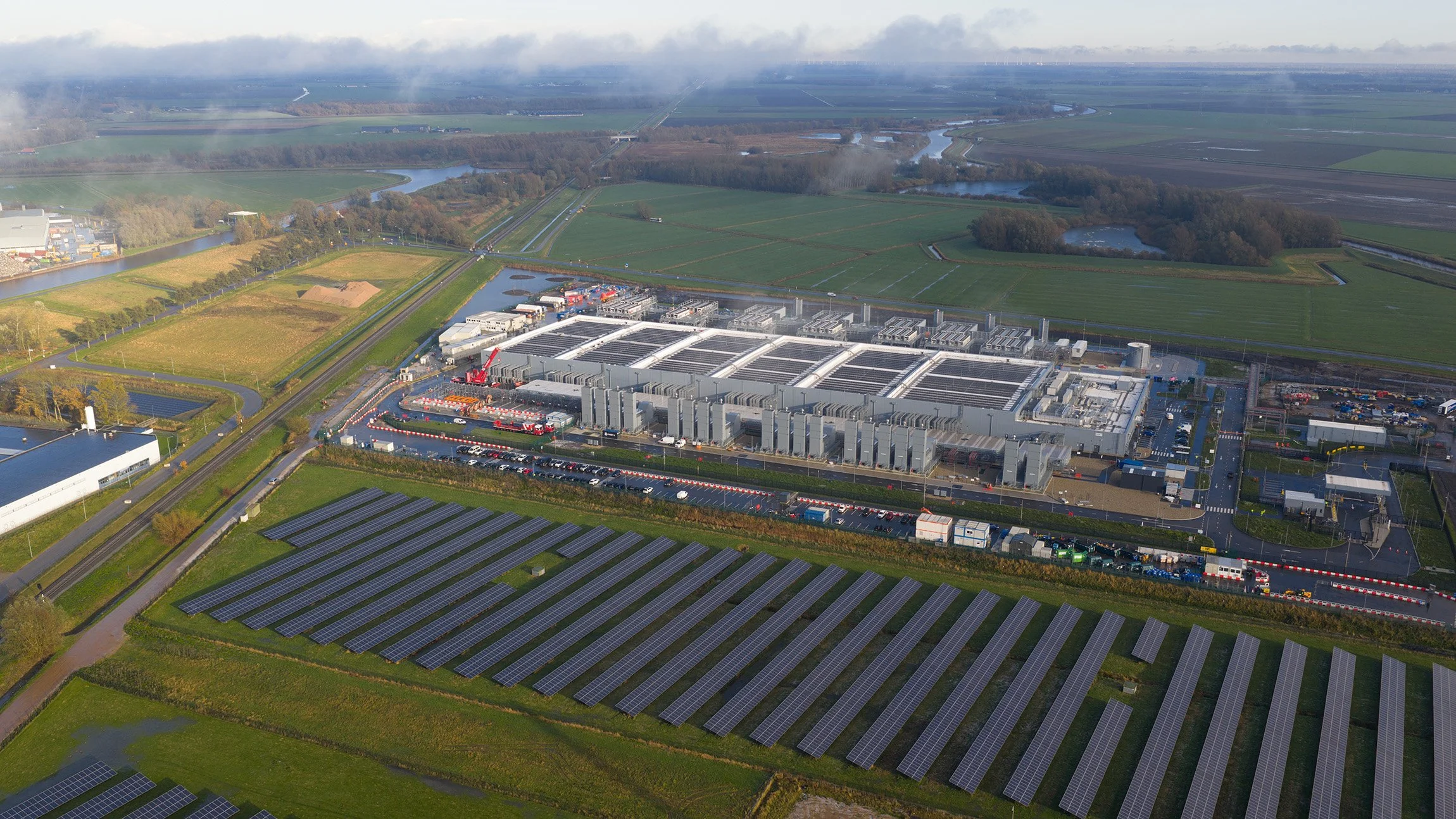
AI is driving massive new electricity demand. The companies benefiting from that demand have an obligation to help build the clean energy infrastructure behind it.
AI is usually discussed by the tech industry in terms of models, chips, software, and economic transformation. The physical world this technology depends on and burdens also get plenty of attention from energy planners, grid operators, and the communities being asked to host new infrastructure.
The people paying less attention to these growing concerns are the ones driving the demand and setting the terms.
Every frontier AI platform runs on data centres. Data centres require massive amounts of electricity, land, cooling systems, water access, and transmission capacity. As AI demand accelerates, those infrastructure requirements are becoming impossible to ignore and a new resource is becoming harder to acquire: community acceptance. Data centre development has become an energy planning issue, a public policy issue, and a question of community trust.
At Roswall, we have been clear that data centres are a legitimate part of the future. The demand is real. In the right circumstances, data centre development brings investment, skilled jobs, grid modernization, and broader economic opportunity. But inevitability is not, and should not be, a free pass. If Big Tech wants to build the infrastructure of the AI economy, it also has to accept the responsibilities that come with infrastructure.
Supporting data centre growth does not mean supporting it under any conditions. There are relevant existential questions about how they are powered, who pays for the infrastructure they require, and whether communities see real benefit. Clean and abundant energy supply, grid planning, water awareness, local benefit, and public transparency should not be optional add-ons to responsible development.
They must be the baseline.
Being pro-data centre does not mean giving large technology companies permission to consume public capacity without accountability. Many major technology companies made ambitious clean energy commitments during a period when clean energy leadership was relatively easy to communicate. Renewable energy was growing, costs were falling, and the optics were good. AI demand is now making those commitments harder to keep, and some companies are beginning to show it.
This is exactly the wrong moment to pull back.
A climate target is simply not meaningful if it hinges on convenience. If Big Tech weakens clean energy commitments as electricity demand rises, those commitments begin to look conditional, and conditional commitments do not hold up well under scrutiny, nor do they bode well for the acceptance of future hollow promises. Communities hosting large new infrastructure will only be more skeptical about whether a data centre is going to strain the local grid and push up the cost of power for everyone already on it. Regulators watching grid impacts and investors managing long-term risk will ask the same question the public is already asking: is this growth built at the expense of the grids, communities, and ratepayers that make it possible?
Rising AI demand is the reason climate commitments need to become more concrete. Data centres place demands on shared systems. Large facilities can require significant grid upgrades, water access, land use changes, and sustained public support. Communities have a right to ask what they receive in return.
Will the project strengthen the local grid or strain it? Will it create durable local value or simply consume regional capacity? Will it support clean energy development or pull the system back toward fossil fuel dependence? When private companies create large new demand on shared infrastructure, responsibility to help strengthen those systems comes with it.
Big Tech cannot expect public permission to build AI infrastructure while leaving communities to carry the costs. The business case for a data centre has to include a clear account of local benefit, not just corporate capacity.
Softening clean energy targets is also bad long term strategy. It may look like pragmatism in the short term, but over time, it creates compounding risk. Communities will resist projects that appear to strain local resources without clear local benefit. And even though it seems improbable in many parts of the developed world at the moment, regulators will impose stricter conditions if voluntary commitments prove unreliable. Enterprise customers with their own emissions obligations will increasingly scrutinize the carbon behind the AI services they use. Grid delays, permitting challenges, and public opposition will slow growth far more than a serious clean energy commitment ever could.
Part of the mistake seemingly being made by Big Tech at the moment is that clean energy is seen as a constraint on AI growth. It is not. It is part of what makes AI growth durable. The companies that build reliable, clean power supply into their infrastructure strategy earliest will have a real competitive advantage over those who treat it as a problem to manage later, if at all.
The standard for responsible development is not complicated, but it does require genuine commitment. Maintain and strengthen clean energy targets as demand grows. Invest directly in new clean generation rather than relying on credits and accounting mechanisms. Pay a fair share of grid upgrades that new data centre load requires. Match clean energy supply to where and when electricity is actually consumed. Design facilities with water-smart cooling and transparent reporting. And most importantly, engage communities early and seriously, with honest answers about local impact and local benefit.
Big Tech and those in government must treat clean energy as core infrastructure, not a reputational accessory.
AI leadership is measured by model performance, compute scale, market share, and speed to market. That definition is going to need to expand.
The next test is whether technology companies can scale AI responsibly in the physical world. Big Tech cannot outrun its energy responsibility. If AI is going to help define the next economy, clean energy has to define the infrastructure behind it.
Data centres may be inevitable. How they are powered is a choice.
—
Dan Roscoe is the CEO of Roswall Development, a renewable energy developer, and President of Renewall Energy, a renewable energy provider, both based in Halifax, Nova Scotia. His work is focused on building the infrastructure for a cleaner, smarter energy future across Canada and beyond.