
From Resource Economy to Infrastructure Economy: Atlantic Canada's Next Identity
by Dan Roscoe, CEO of Roswall
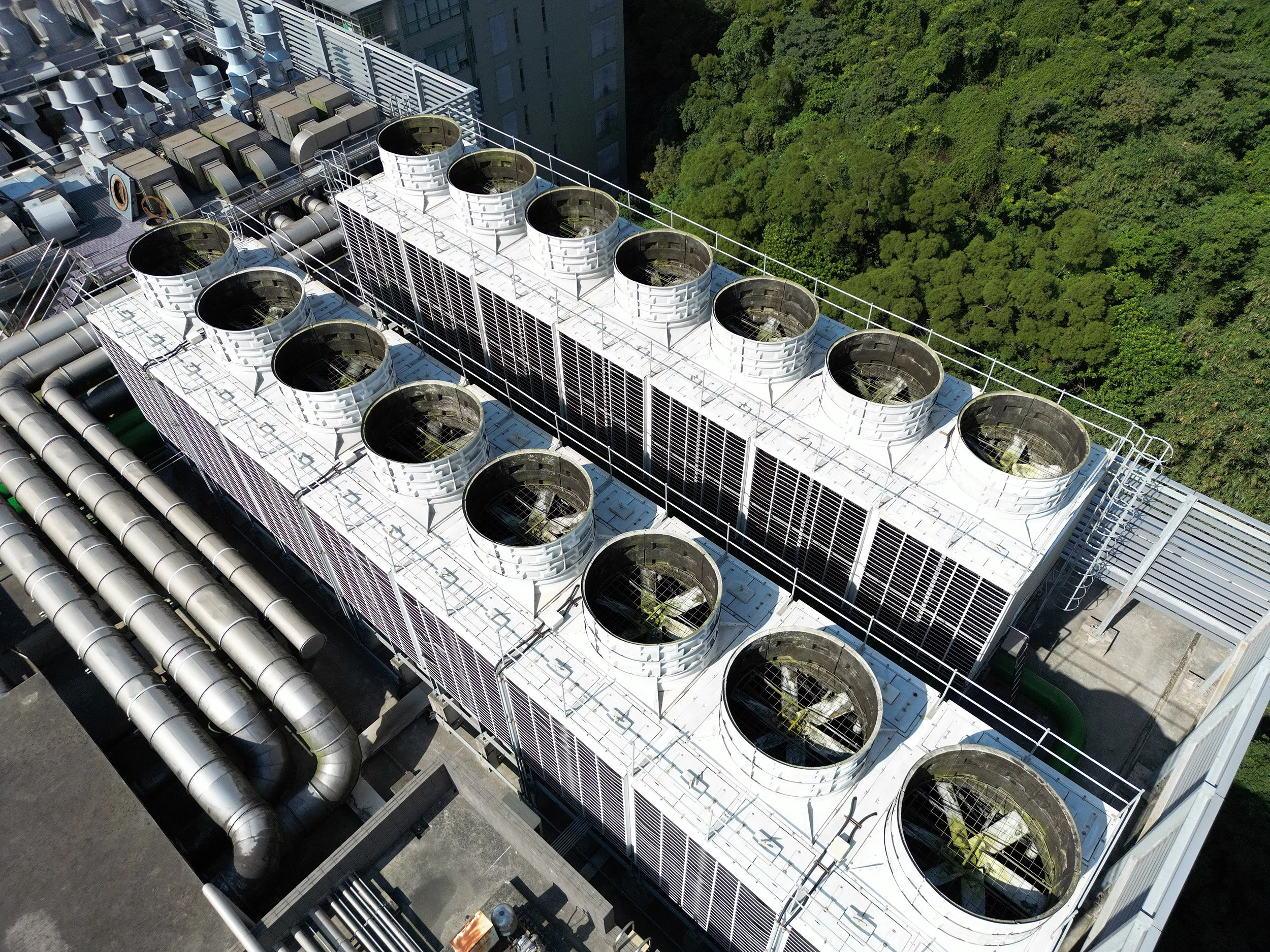
Clean electricity, not just natural resources, will determine which regions capture the next era of industrial growth.
Atlantic Canada has always known how to create value from the ground, the sea, and the forest. That model built communities, funded governments, and shaped the region’s economic identity for generations. Those foundational industries still matter. But the economy taking shape now depends on something more: abundant, reliable clean electricity delivered at scale.
The next global infrastructure race is already underway. AI, cloud computing, advanced manufacturing, electrification, and digital industry all run on power. Not just any power, but power that is dependable, scalable, and increasingly clean. The regions that recognize this early will be the ones that attract the next wave of investment. Atlantic Canada has the raw ingredients to be one of them, but resources only matter if they are developed with intent.
For a long time, this region’s economy has been organized around extraction and export. Fish, forestry, and energy created real prosperity, but they also left Atlantic Canada exposed to forces outside its control. Commodity price swings, external demand shocks, and boom-and-bust cycles are part of the region’s lived economic history. That same exposure still shows up in how we think about energy. Fossil-linked systems tie local costs and economic resilience to global markets, geopolitical instability, and decisions made elsewhere. The lesson is not that Atlantic Canada’s traditional industries belong to the past, it's that the next phase of growth will need a broader foundation, one that allows more value to be created, retained, and compounded, right here at home.
This is where clean electricity becomes more than an environmental issue and becomes economic infrastructure. The rapid advance of the AI economy makes that especially clear. Data centres and AI workloads are electricity-intensive at a scale most people have not fully absorbed. The companies building this future are investing hundreds of billions of dollars, and while ax treatment or geography are influencing location consideration, access to power is becoming the central prerequisite. And increasingly, access to clean power is what separates one region from another.
That is already changing investment patterns. Regions with congested grids or high-emissions electricity systems are becoming harder to build in. Connection queues are stretching into years in some major markets. Companies that need power quickly and at scale are looking elsewhere. In that environment, building clean generation is more than preparation for economic development. It is economic development.
Atlantic Canada has significant advantages. Nova Scotia has one of the most promising on and offshore wind resources in North America. The broader region has land, coastal access, and a strong starting point for clean energy development. There is growing policy attention around transmission and interprovincial energy corridors. But advantages do not create outcomes by themselves. They have to be developed into infrastructure, and infrastructure has to be planned around a clear economic purpose.
That means Atlantic Canada should move beyond thinking about clean energy only in terms of decarbonization targets or electricity policy and begin thinking about it as a foundation for future industry. Reliable clean electricity can support data centres, industrial electrification, export opportunities, and new forms of economic activity. It can also strengthen existing industries by making the region more resilient and less exposed to outside volatility.
Growth, however, still has to be managed responsibly. Data centres and other large loads can bring jobs, tax revenue, and investment. They can also place serious pressure on the grid if generation, transmission, and demand growth are not planned together. Saying yes to large new loads without thinking through electricity supply is not a growth strategy. It is deferred stress. Success depends on planning power supply, grid expansion, industrial demand, and ratepayer impact as one challenge, not four separate ones. That's how serious growth gets built.
Atlantic Canada has an opportunity to model that kind of serious growth. It can build clean electricity capacity with clear economic intent. It can align resource development with industrial strategy. It can focus not only on exporting value, but on building the infrastructure that attracts and anchors more of it over time. Atlantic Canada’s resource industries helped build real prosperity, but too often the deeper value was realized elsewhere. Clean energy infrastructure offers a chance to keep more of the next wave of value here at home.
The window to do that is real, but it is not permanent. Grid-ready regions are already pulling ahead. Atlantic Canada is not starting from zero. The resource base is here, the demand is growing, and the opportunity is visible. What is needed now is the clarity to treat clean energy for what it is: a core economic priority.
Clean electricity can be one of this region’s defining economic advantages, if it is developed with enough ambition and discipline.
—
Dan Roscoe is the CEO of Roswall Development, a renewable energy developer, and President of Renewall Energy, a renewable energy provider, both based in Halifax, Nova Scotia. His work is focused on building the infrastructure for a cleaner, smarter energy future across Canada and beyond.