
Canada needs buildable clean power
by Dan Roscoe, CEO of Roswall
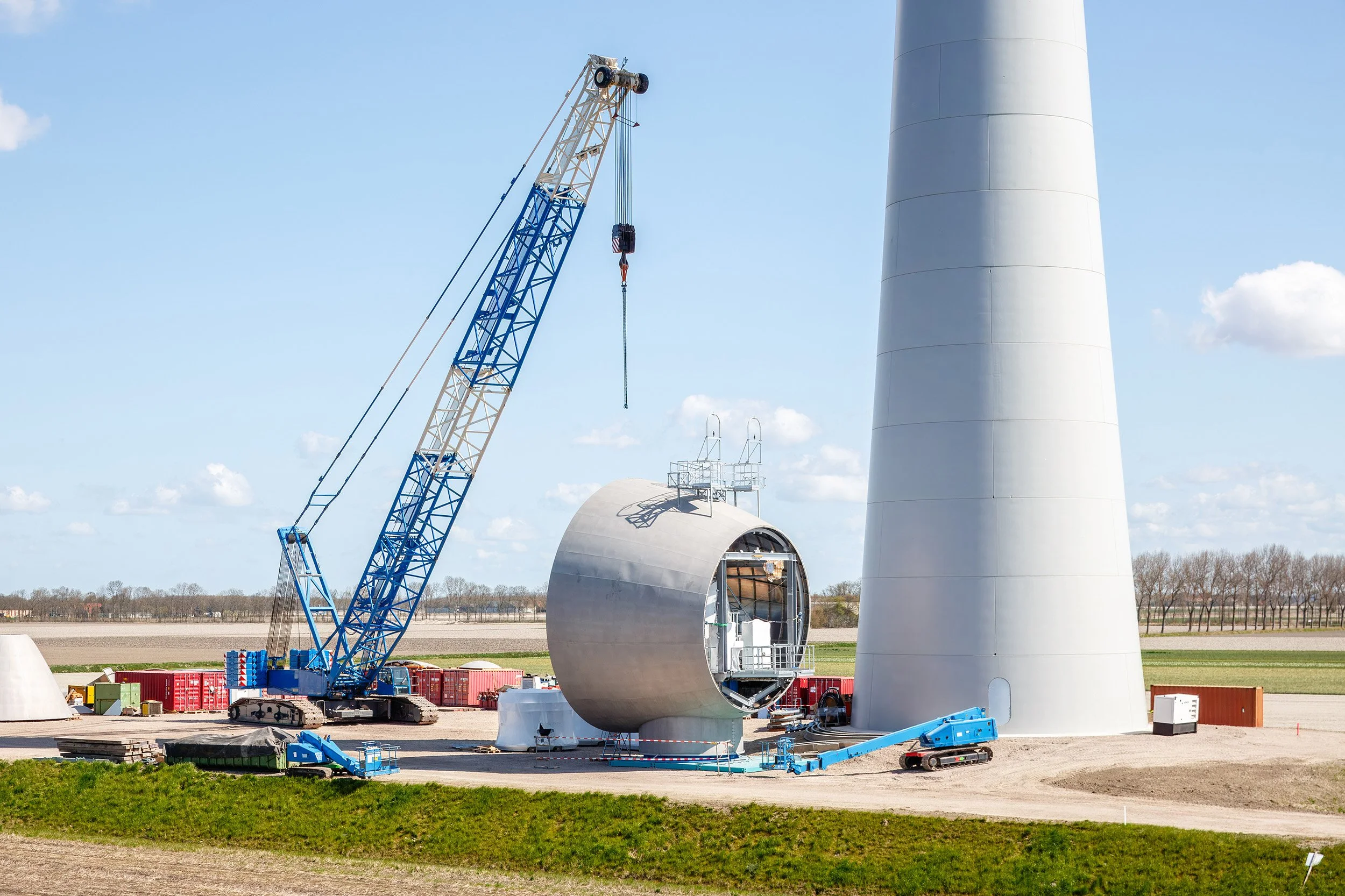
Clean energy ambition is no longer enough.
Canada has strong renewable resources, clearer policy direction, and a growing understanding that electricity will be central to affordability, competitiveness, and decarbonization. The harder challenge is whether clean power in Canada can be permitted, financed, connected, constructed, and delivered at the pace our economy now requires.
That’s the test of buildability.
Buildable clean power is power that can move from policy to project, from project to construction, and from construction to operation. It’s the difference between identifying a national need and actually creating the conditions to meet that need.
For years, much of the clean energy conversation focused on targets: net zero, emissions reductions, renewable percentages, and climate commitments. As the energy transition develops, the centre of gravity has moved and the next phase will be measured by what actually gets built, or by how easy or difficult it is to do so.
That was the single most important assertion in CanREA’s response to the federal National Electricity Strategy. They welcomed the strategy because it recognizes wind, solar, and energy storage as central to Canada’s electricity future, not as symbolic climate additions but as practical tools for reliability, affordability, and economic growth.
The need is real. Canada’s national electricity strategy notes that by 2050, electricity consumption could more than double in a slower transition scenario and nearly triple in faster scenarios. Transportation, heating, manufacturing, critical minerals, data centres, industrial growth, and housing all suggest that Canada will need much more clean electricity, and it will need it soon.
That makes electricity akin to the infrastructure layer beneath the next economy.
Buildable clean power means five things.
It can be deployed at the speed demand requires. It has a realistic path through permitting and approvals. It can attract long-term capital because the policy environment is stable enough to finance. It can connect to the grid through adequate transmission, distribution, and interconnection capacity. And it creates enough local value to earn public and community support.
This is where the developer’s view matters. Targets are set in policy documents. Projects are built through land agreements, environmental studies, Indigenous and community engagement, interconnection processes, procurement design, financing, construction capacity, and long-term operations.
What is most likely to slow the clean energy transition is the friction between ambition and the ability to execute.
Nova Scotia offers a concrete example of what buildable clean power can look like. Mersey River Wind is a real generation project that includes 33 wind turbines and related infrastructure to generate 148.5 MW of renewable electricity. Removing systemic friction came in the form of the country’s first renewable-to-retail licence, giving customers a pathway to buy renewable electricity directly through a local market mechanism.
A project like this connects generation to demand. It links renewable development to customer choice and free market competition. It shows how policy, capital, development, and long-term customer need can align around an operating asset.
Ontario shows the importance of procurement design. The province’s LT2 process has executed contracts with 13 selected proponents, totaling 1,115.10 MW of maximum contract capacity and 2.37 TWh of expected annual production. CanREA has also highlighted the central role of Indigenous partnerships in the procurement, noting that the initially selected projects included at least 50% Indigenous equity ownership.
Indigenous participation should not be treated as an add-on to project development. It is increasingly central to how clean energy projects are structured, financed, and built responsibly. Procurement design determines whether good projects can move.
British Columbia shows the next pressure point: as demand grows, clean electricity is becoming something governments need to plan and allocate carefully. B.C. and BC Hydro have launched a competitive process for AI and data centres to manage rising demand and prioritize projects based on economic, community, data sovereignty, and environmental benefits. That’s electricity as economic strategy. The industries of the future will also seek access to energy, not just whether a jurisdiction has talent, land, tax incentives, or market access to make a venture viable.
Alberta, on the other hand, offers the cautionary lesson. The province had been a Canadian leader in renewable development, but its pause on renewable energy approvals and the uncertainty that followed affected investor confidence. Pembina Institute analysis found that 53 projects representing 8.6 GW of potential generation capacity withdrew from Alberta’s development process after the moratorium was announced.
The lesson is not that rules are unnecessary. Responsible development needs clear rules. Land use, reclamation, agricultural compatibility, community benefit, and reliability all matter. The lesson is that private capital does not build into uncertainty forever.
Clean power can be cost-effective and technically viable, but still fail to get built if the investment environment becomes unclear, unstable, or unevenly applied.
Canada’s electricity future will be built through thousands of specific decisions: where projects are located, how they are financed, how communities participate, how grids are expanded, how storage is integrated, how procurement is designed, and how new demand is managed.
Canada has the resources to lead. It has the policy momentum. It has developers, investors, utilities, workers, Indigenous partners, and communities capable of delivering the next generation of clean energy infrastructure.
The test now is buildability.
Because clean power only changes the future when it gets built.
—
Dan Roscoe is the CEO of Roswall Development, a renewable energy developer, and President of Renewall Energy, a renewable energy provider, both based in Halifax, Nova Scotia. His work is focused on building the infrastructure for a cleaner, smarter energy future across Canada and beyond.