
What it takes to overcome grid access bottlenecks
by Dan Roscoe, CEO of Roswall
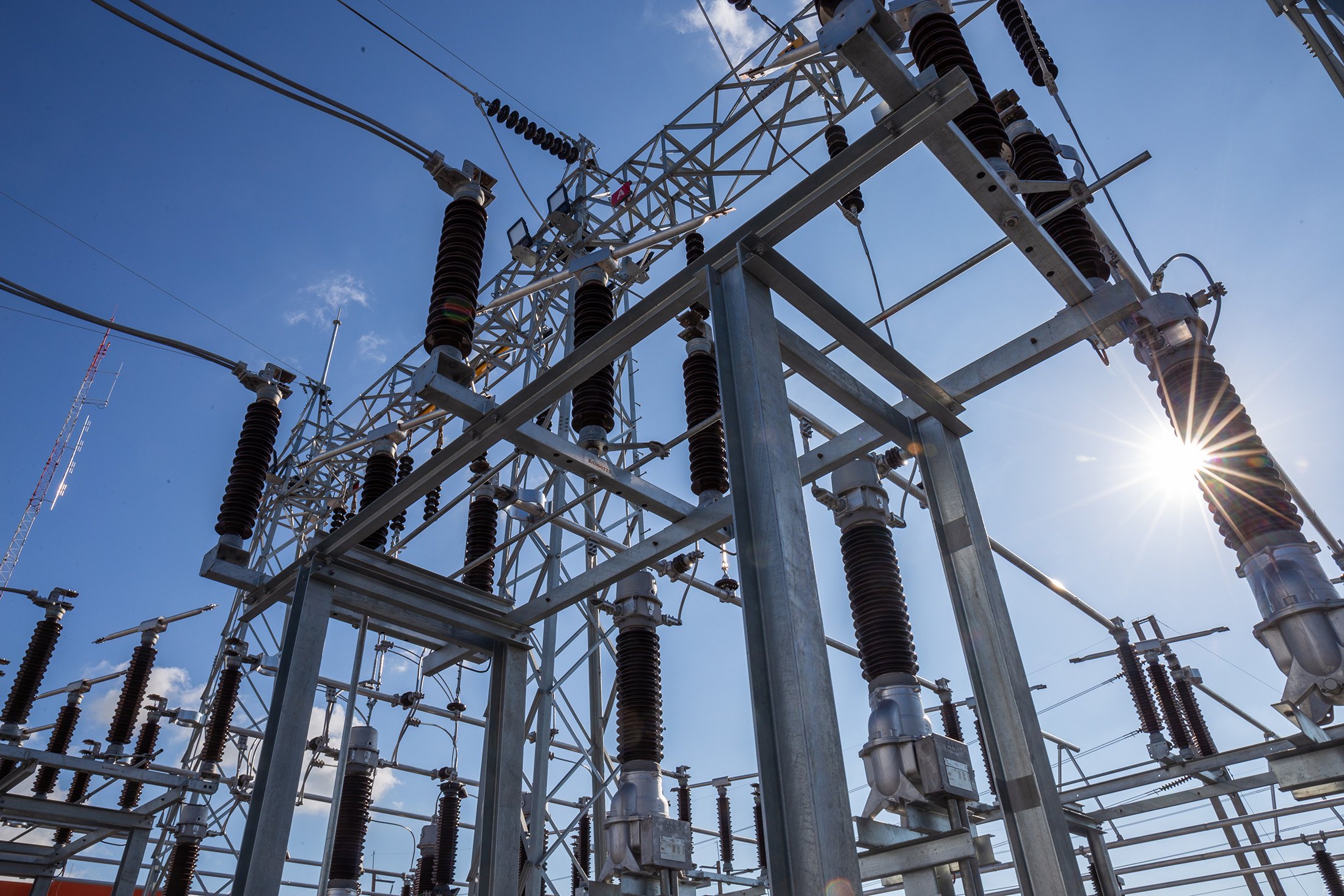
The clean energy transition has no shortage of ambition. The harder question is whether clean power can get to the grid quickly enough to matter.
Across major electricity markets, renewable energy projects are being developed faster than connection systems were designed to handle. The result is a growing delivery problem. Projects that could generate clean electricity are waiting behind queue rules, transmission constraints, study delays, and applications that may never turn into built infrastructure.
A clean energy project does not become useful when it is announced. It becomes useful when it can connect, generate, and deliver power to the system.
And that makes grid access one of the defining tests of the energy transition.
The barrier is usually a mismatch between project demand, project readiness, physical grid capacity, and the rules used to decide what connects first. Overcoming that mismatch requires a grid connection system that prioritizes buildable projects, plans transmission around future demand, and gives developers enough certainty to move from proposal to construction.
The United Kingdom shows why connection reform is no longer a secondary technical issue. Britain’s National Energy System Operator recently offered grid connections to more than 700 energy projects, representing about 37 GW of capacity, after reforms to its previous first-come, first-served connection system. The new approach uses criteria such as planning permission, land rights, and alignment with clean energy goals.
That reform responded to a queue that had become too large to function as a delivery system. NESO has described the old queue as more than 700 GW, with shovel-ready projects waiting up to 10 years.
Britain still needs more transmission, more generation, and more physical infrastructure. But it seems to have solved queue design. A grid connection should be a delivery pipeline for projects capable of serving the system.
The same basic condition is visible at continental scale in the United States. Berkeley Lab reported that, at the end of 2024, approximately 10,300 projects were actively seeking grid interconnection across the U.S., representing about 1,400 GW of generation and approximately 890 GW of storage. It also found that only 13% of capacity that entered queues from 2000 to 2019 had reached commercial operation by the end of 2024, while 77% had been withdrawn.
That shows why queue volume can be misleading. A large queue does not necessarily mean a large buildout is coming. It can also mean the system is processing too many uncertain projects without enough ability to distinguish what is ready, financeable, and likely to connect.
These are lessons Canada should be paying close attention to.
The country has strong clean energy fundamentals, but capital will flow to jurisdictions that can move projects from approval to construction on predictable timelines. CanREA estimates that meeting rising electricity demand could require 54 to 88 GW of new wind, solar, and energy storage capacity over the next 10 years, representing up to $200 billion in investment. That demand is being driven by industrial electrification, data centre growth, population increases, mining, manufacturing, and other energy-intensive sectors.
The Canadian question is whether the systems around clean energy can convert investment interest into built projects. Grid access bottlenecks are often described as a shortage of capacity. Physical grid capacity certainly matters, but it is only one layer of the problem. Queue rules decide who waits, who advances, and what kind of project gets scarce connection capacity. Project readiness matters because speculative or immature projects can occupy space without moving toward construction. System planning matters because generation and transmission are often planned on different timelines. Regulatory certainty matters because developers need clarity on costs, requirements, milestones, and timing.
In other words, the barrier is not only grid capacity. It is grid capacity trapped inside the wrong process. A better grid access system moves the right projects faster while building the physical grid capacity required for long-term demand.
That means prioritizing projects with land rights, permitting progress, financing readiness, technical maturity, and clear demand. It means removing or deprioritizing projects that are unlikely to proceed. It means aligning connection offers with system need, not only application order. It means coordinating generation planning with transmission and distribution planning. And it means giving developers more predictable timelines and cost exposure.
Grid access sounds technical, but the decision to fix it is political and institutional. Connection reform requires regulators, system operators, governments, utilities, developers, investors, Indigenous partners, and communities to change how decisions are made. Technical barriers often persist because no single actor has enough authority or incentive to solve the whole problem.
Clean energy is no longer held back by a lack of belief in the technology. The barrier is delivery. Clean power needs capital, permitting, community support, project readiness, and grid access. Without connection, even strong projects can remain stuck outside the energy system.
With better connection systems, clean power can move from ambition to infrastructure.
Clean power only matters when it can reach people. That means grid access is one of the defining tests of the energy transition.
—
Dan Roscoe is the CEO of Roswall Development, a renewable energy developer, and President of Renewall Energy, a renewable energy provider, both based in Halifax, Nova Scotia. His work is focused on building the infrastructure for a cleaner, smarter energy future across Canada and beyond.