
by Dan Roscoe, CEO of Roswall
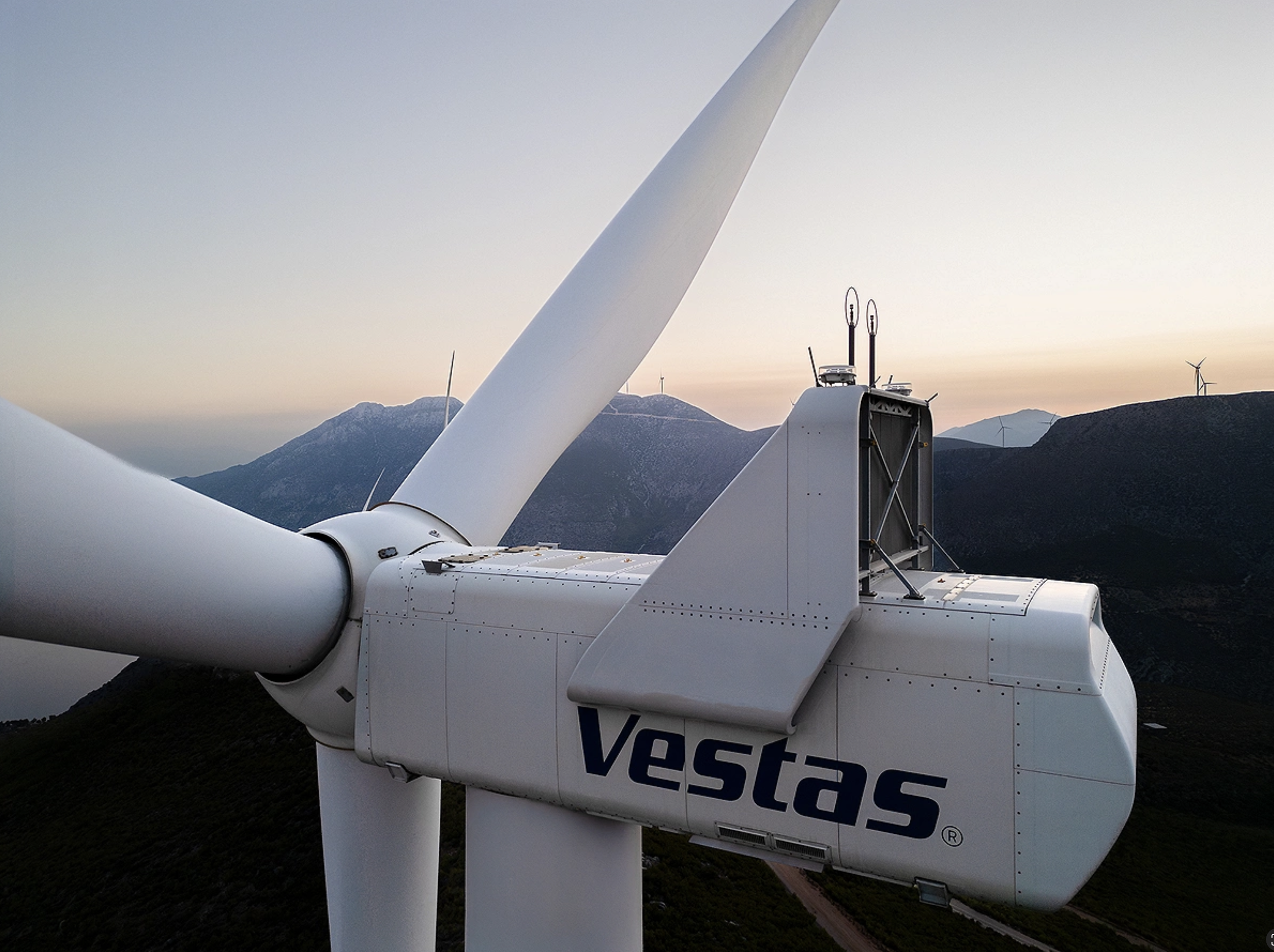
How regional experience, grid modelling and a 20-year service agreement shaped our choice of turbine supplier.
The first turbine components for Mersey River Wind arrived at the Port of Mersey on October 7. After months of road building, foundation pours and electrical work, the equipment that will define the project for decades is starting to show up. So it is one of the earliest decisions we made as its developer.
We selected Vestas as our turbine supplier in 2022. Two things weighed heavily in that choice. Vestas already had a fleet of operating turbines in Nova Scotia, and it brought expertise in the new interconnection modelling procedures a project like this has to work through. We were choosing equipment for one specific site, along with a partner whose involvement would run well into the project's operating life.
Turbine selection touches almost every part of a wind project. Production and project economics get most of the attention. The choice also determines what has to be shipped and trucked to site, how the project connects to the grid and what maintenance looks like over the long term. A production forecast only holds up if there's a credible plan behind it for delivering, operating and maintaining the equipment. Vestas gave us an established presence in the province and the technical depth to work through those requirements with us.
Mersey River Wind will use the Vestas V150-4.5 MW platform. Each turbine is rated at 4.5 megawatts, with a 150-metre rotor and blades measuring 73.7 metres. The model is built for lower-wind sites. Its large rotor sweeps a broad area, which helps it capture energy when winds are lighter, and adjustable blade pitch and variable rotor speed let it respond as conditions change. These are important details to consider because a project's output, and its revenue, comes from the full range of conditions it sees in a year. Strong winds make for good days, and a turbine that keeps producing through the lighter ones is what makes the annual numbers work.
Nova Scotia's weather adds cold temperatures and severe storms to the list. The V150 platform supports operation down to -30°C, and its controls stop generation when winds exceed operating limits. Our assessment of conditions at Mersey River Wind found that anti-icing and de-icing systems weren't needed in this project's configuration. That finding is specific to this site, and cold-weather equipment decisions should always come from conditions measured where the turbines will actually operate.
Vestas has a long operating record in Nova Scotia, including turbines at Pubnico Point and across Scotian Wind’s projects. My own experience with the manufacturer includes work on COMFIT projects during my time at Scotian WindFields, where I served as Chief Operating Officer. That experience helped inform our selection of Vestas for Mersey River Wind. You learn the most about a manufacturer through construction, commissioning and the years of operation that follow, and those lessons shape the questions you ask on the next project. The V150 is a newer, larger generation of turbine with its own considerations, and the value of capable technical support carries over to it.
Interconnection was the other major factor. Before a wind farm can connect, it has to demonstrate how its equipment will behave as part of the electricity system. That takes detailed modelling work among the developer, the turbine manufacturer and the parties responsible for assessing the connection. The manufacturer's role is central because the models have to accurately represent its turbines and control systems. This work gets far less public attention than a ship full of blades at the port, yet a project can't become a source of electricity without it. It's also where the relationship behind the equipment proves its worth, since technical questions need clear answers and decisions have to be coordinated across organizations that depend on one another's work.
Our agreement with Vestas extends well past turbine supply. It includes 20 years of maintenance to defined performance standards, with full-time staff based on site. That gives the project a long-term service framework and a permanent presence where the equipment operates. For Roswall, this is part of the basic commitment that comes with building infrastructure. Customers, investors and communities will rely on Mersey River Wind for many years, and maintenance arrangements and performance standards are a big part of how we meet that obligation.
In a profile published by Fortune this month, Vestas CEO Henrik Andersen described pushing the EU to treat wind farms and grids as critical infrastructure. That view applies in Nova Scotia as well. Developing our own wind resources reduces the province's dependence on imported fossil fuels, and doing it relies on equipment, expertise and supply chains that reach well beyond our borders. The job for developers is to understand those relationships and put durable arrangements around them, so it's clear who supports the equipment, how performance is maintained and which capabilities need to be available here at home. Once a wind farm is part of the province's electricity supply, the partnerships behind it carry real weight.
As deliveries and installation get underway, the decision we made in 2022 is turning into physical infrastructure. Tower sections, blades and generating equipment will soon come together at the prepared turbine sites, built on years of assessment, engineering and coordination.
Our responsibility now is to carry that work through construction and into operation, so Nova Scotia's wind resources are producing power for decades.
Dan Roscoe is the CEO of Roswall Development, a renewable energy developer, and President of Renewall Energy, a renewable energy provider, both based in Halifax, Nova Scotia. His work is focused on building the infrastructure for a cleaner, smarter energy future across Canada and beyond.