
The Illusion of Supply Comfort: How Geopolitical Exposure Drives Price Volatility
by Dan Roscoe, CEO of Roswall
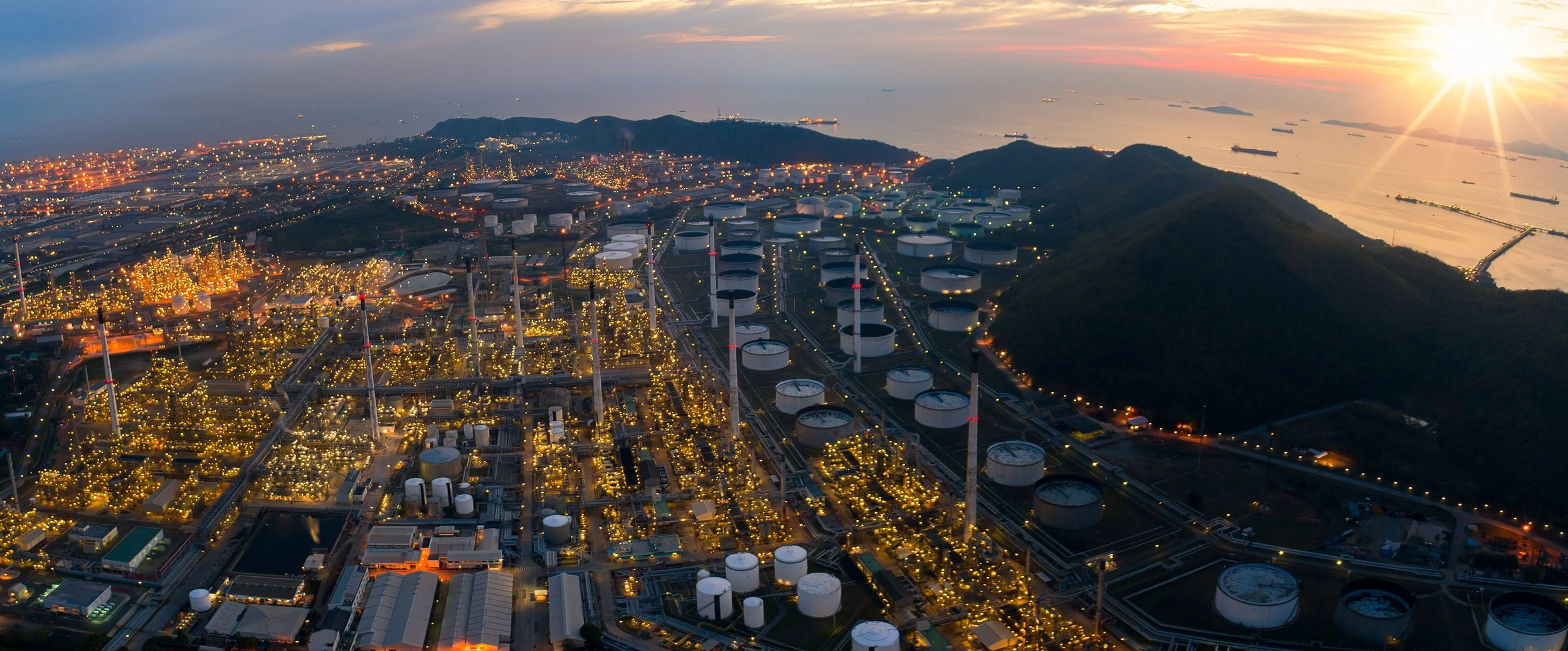
Oil prices may be stabilizing, but the broader fossil fuel system remains vulnerable to shocks that supply forecasts simply cannot price out.
Recent oil market data tells an unexpected story. Despite ongoing geopolitical pressure involving Russia, Venezuela, and Iran, oil prices have remained relatively stable by historical standards. Demand is coming down, and with it, some of the volatility that once defined the market.
But that stability is misleading if taken as a broader indicator about fossil fuels as a whole.
Diesel markets remain highly exposed to geopolitical disruption, particularly tied to Russia. Natural gas continues to be vulnerable to weather extremes and climate-driven demand swings. Different fuels face different risks, but they all sit within the same underlying system. Even as oil shows signs of stabilization, the wider fossil fuel energy system remains structurally exposed to shocks beyond anyone’s control.
That exposure is becoming harder to justify as the clean energy transition accelerates and alternatives come on line.
Security, not just emissions
The clean energy transition is often framed as a climate imperative, and rightly so. But it is also a story about exposure and security.
Fossil fuel markets are inherently vulnerable to geopolitical concentration, chokepoints, and conflict risk. Price volatility is a recurring feature. Clean energy systems, by contrast, operate with different fundamentals. Once built, they are largely insulated from global trade shocks, military risk, and fuel supply disruptions.
They do not eliminate volatility altogether, but they significantly reduce the specific pressures that cause energy prices to spike on fear rather than fundamentals. The illusion of supply comfort persists where exposure remains high. It fades where energy systems are designed to be local, diversified, and structurally resilient.
What supply forecasts miss
Supply forecasts are good at measuring volume. They are much less effective at measuring vulnerability.
An energy system can appear well supplied on paper while remaining deeply unstable in practice. Fossil fuels rely on global trade routes, politically sensitive regions, and concentrated production and transport corridors. These dependencies introduce non-market risks that supply alone cannot offset.
This is one reason the energy transition is accelerating even during periods of apparent calm. The pressure is not just coming from price spikes. It is coming from persistent exposure across fossil fuel systems, even when short-term volatility appears reduced.
Oil markets may be stabilizing as demand softens, but other fossil fuel markets tell a different story. Diesel and natural gas remain highly exposed to geopolitical disruption and climate-driven demand shocks. The system has not changed. Only one part of it has temporarily eased.
How risk becomes the price
Energy markets price the probability of disruption.
They respond to risk before it materializes. War premiums appear long before physical shortages. Price movements often reflect fear of interruption, sanctions, or chokepoints rather than changes in underlying supply and demand.
Far from a failure of markets, this is how they are designed to function. Fossil fuel markets embed geopolitical and climate exposure by design, even when supply appears ample.
For natural gas, this exposure is now compounded. Weather volatility and climate-driven demand swings increasingly interact with geopolitics, amplifying price movements. A cold winter, a heat wave, or a supply interruption, any of these conditions can all trigger a swing because the system remains tightly coupled to fuel flows that are difficult to reroute or replace.
More broadly, it is concentration that turns exposure into systemic risk.
Narrow corridors like the Strait of Hormuz illustrate this clearly. A small number of chokepoints carry a disproportionate share of global energy flows. Even a low probability of disruption can generate a large price response because the consequences would be severe.
Diversification at the margin does not remove this exposure. As long as energy must pass through fragile pathways, risk remains concentrated.
Clean energy, again, offers relief from such pressures because it operates under different constraints. Electricity generated locally does not transit global chokepoints. It does not depend on shipping lanes, pipelines crossing contested regions, or fuel deliveries that can be interrupted by sanctions or conflict. The system’s risk profile changes fundamentally.
Clean energy systems are not, however, immune to volatility. But their volatility comes from different sources.
Once built, renewable generation has no fuel inputs, other than the negligible amounts required for maintenance transit. Exposure to global trade and sanctions is minimal. Decentralized generation reduces single-point failure risk. Price pressures are driven by weather, demand, and infrastructure performance, rather than geopolitical maneuvering or fuel supply disruptions.
This distinction shifts energy risk from the geopolitical domain to the operational one. That is a favourable trade-off most energy systems are better equipped to manage.
Stability by design
In clean energy systems, stability emerges from diversification, localization, and long-lived infrastructure. Risk is distributed rather than concentrated. Exposure is reduced rather than assumed. The clean energy transition is as much about redesigning how energy systems absorb shocks as it is about reducing emissions.
And the implications go beyond climate goals.
Decarbonization is one benefit of the transition, but exposure reduction is another. Predictability matters for governments planning infrastructure, industries managing costs, and capital markets allocating long-term investment.
The clean energy transition reshapes what energy systems are vulnerable to. It does not eliminate risk, but it replaces fragile, geopolitically exposed dependencies with systems designed to absorb shocks rather than assume stability.
Supply comfort is temporary. Structural resilience is durable. As long as energy depends on geopolitically fragile pathways, volatility will remain a defining feature of the market.
The clean energy transition offers a path toward systems where stability is engineered, not hoped for.
—
Dan Roscoe is the CEO of Roswall Development, a renewable energy developer, and President of Renewall Energy, a renewable energy provider, both based in Halifax, Nova Scotia. His work is focused on building the infrastructure for a cleaner, smarter energy future across Canada and beyond.