
by Dan Roscoe, CEO of Roswall
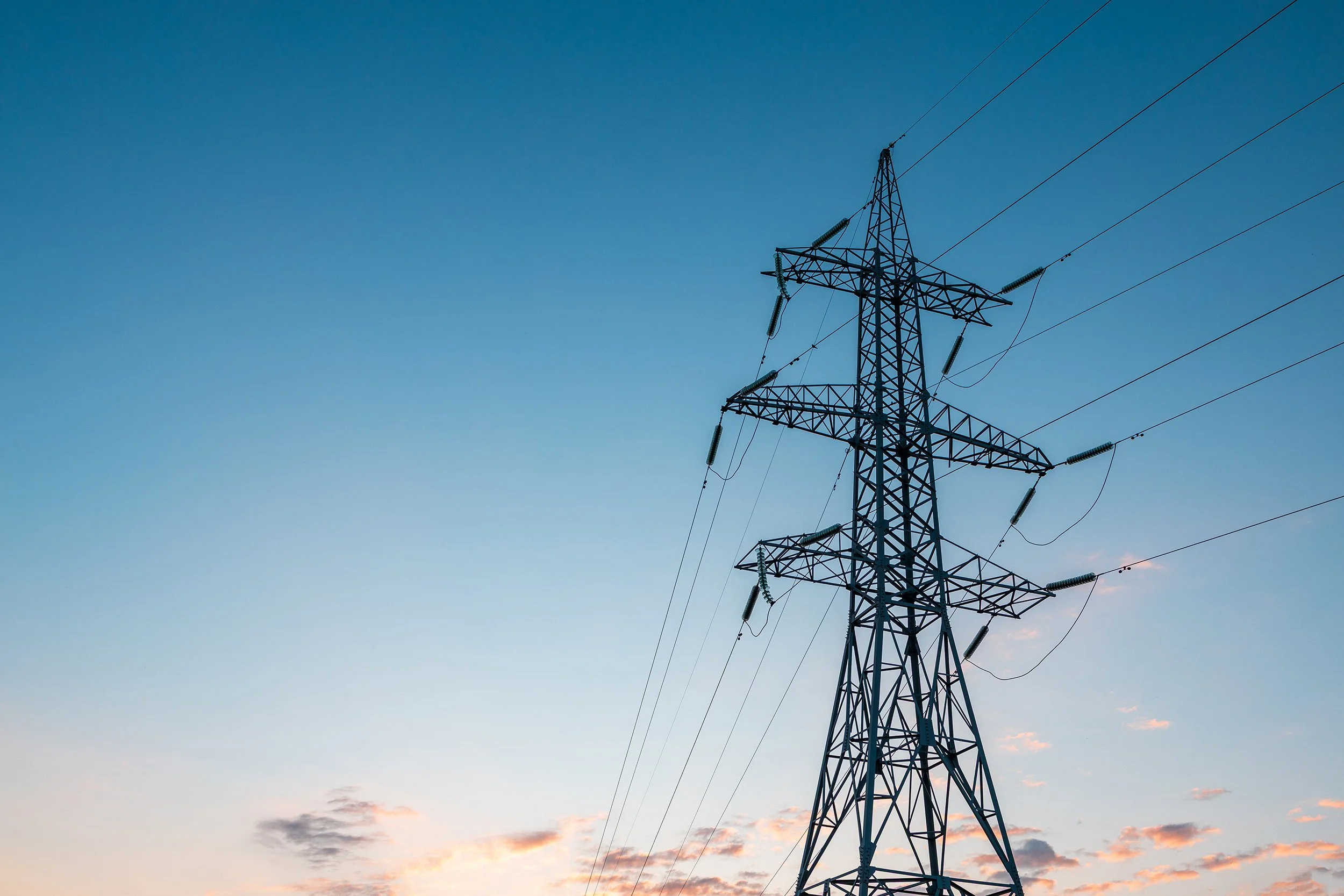
Nova Scotia does not lack renewable potential. It lacks a grid designed for what comes next.
Our province has excellent wind resources, growing momentum around electrification, and broad alignment among businesses, communities, and policymakers on the need for cleaner energy. What it also has is an aging transmission network built for a different era: centralized generation, predictable load growth, and a much narrower idea of what the grid needed to do.
That mismatch is becoming harder to ignore.
The next phase of the energy transition in this province will not be defined only by what we build in generation. It will be defined by whether the infrastructure around it is ready.
Before thinking regionally, Nova Scotia has to modernize its own system.
The pressures are already visible. Wind generation is growing. Transportation and heating are beginning to electrify. Peak demand is becoming less predictable. Storm-related outages are becoming more frequent and more costly. And the province is doing all of this in a climate context that has clearly changed. Hurricanes and winter storms are more intense, and the consequences of grid failure are more serious.
In that environment, grid modernization is as much an issue of economic resilience and energy strategy as it is a technical one.
That means upgrading backbone transmission corridors, reinforcing substations, and increasing internal transfer capacity so power can move more effectively across the province. It means building strategic redundancy into the system so a single failure does not cascade. It means hardening assets against severe weather and investing in faster restoration. The goal, ultimately, is a more flexible and durable grid.
Integration remains a challenge. Wind works. Nova Scotia has the resource, the need, and the long-term rationale. How the system integrates it as penetration increases will define how large a role wind and other renewables can play in our energy mix.
A grid built around conventional centralized generation behaves differently than one managing a growing share of variable renewable supply. As more wind enters the system, forecasting becomes more important, dispatch tools need to be more dynamic, and an operator like Nova Scotia Power, needs faster balancing capability. Higher renewable penetration requires a grid that can see more, respond faster, and manage variability more intelligently.
In many respects, renewable growth has already stopped being purely a generation question. It has become an integration question, and integration is a grid question.
Modernization is often discussed as if it begins and ends with infrastructure like wires and substations. That framing is too narrow. Storage and demand flexibility are infrastructure too.
Battery storage helps with short-duration balancing and supports the grid during periods of variability. Demand response programs allow industrial and commercial users to reduce or shift consumption at key moments, easing pressure when the system is tight. Time-of-use pricing can move demand away from costly peaks. Smart meters, paired with well-designed programs, can optimize usage rather than simply record it. Efficiency initiatives reduce the demand that drives peak infrastructure needs in the first place.
This is the reality of modern infrastructure planning.
Demand-side flexibility reduces the need for expensive peaking infrastructure and improves overall system performance. A grid that can shape demand, as well as serve it, operates more efficiently, more affordably, and with greater resilience. In a province where affordability remains a real concern, that matters. Modernization should not be understood as building more for the sake of it. It should be understood as building a system that performs better and creates more value from assets already on the grid.
Designing for the climate we actually have
Nova Scotia does not need theoretical reminders about climate risk. It has experienced repeated major storms in recent years, and each one raises the same basic question: is the system prepared for the operating environment it now faces?
Modernization has to answer that directly. Hardening exposed transmission assets, selective undergrounding where the economics are rational, microgrids for hospitals and other critical facilities that cannot afford extended disruption, better interconnection redundancy, and faster restoration protocols are all part of what it means to plan seriously for climate resilience. In a place like Nova Scotia, this consideration is one of the defining tests of whether energy planning is fit for purpose.
The Atlantic Loop lesson
The Atlantic Loop was envisioned as a transformative regional project connecting Labrador hydro through Atlantic Canada and helping decarbonize power systems across the region. It was strategically important in principle. It also stalled for reasons that were familiar and significant: rising capital costs, complex interprovincial cost allocation, weakened federal funding certainty, and diverging provincial priorities.
That does not mean regional integration is unworkable. It means that large-scale regional coordination requires clarity, aligned incentives, shared timelines, and a realistic path to value for each participating jurisdiction. It also means that Nova Scotia cannot defer its own modernization while waiting for a regional solution to materialize. Regional projects can strengthen the system. They cannot substitute for a capable provincial backbone.
A modernized Nova Scotia grid would make regional coordination more useful, not less. Stronger interties with New Brunswick, better transfer capability across Atlantic Canada, coordinated transmission planning, shared balancing across jurisdictions, all of these create real value. But they depend on each province bringing genuine capability to the table.
Any modernization agenda of this scale has to be evaluated through public value. Grid modernization, done well, should support greater rate stability, reduce exposure to fossil fuel volatility, improve reliability during extreme weather, and support economic development over the long term.
That is the lens that matters, not near-term capital cost or the narrow boundaries of any single project.
Atlantic Canada's renewable potential is real. Nova Scotia's wind resource is significant. The strategic case for more clean electricity is only getting stronger.
But potential does not power homes or businesses. Delivery does, and delivery depends on a grid that is ready for the job.
—
Dan Roscoe is the CEO of Roswall Development, a renewable energy developer, and President of Renewall Energy, a renewable energy provider, both based in Halifax, Nova Scotia. His work is focused on building the infrastructure for a cleaner, smarter energy future across Canada and beyond.